
Queen Bee Gynecology
Menopause Management
Expert, individualized treatment plans and evidence-based hormone therapy for the perimenopause and menopause transition.
Menopause Management
Personalized, Evidence-Based Care for Perimenopause & Menopause
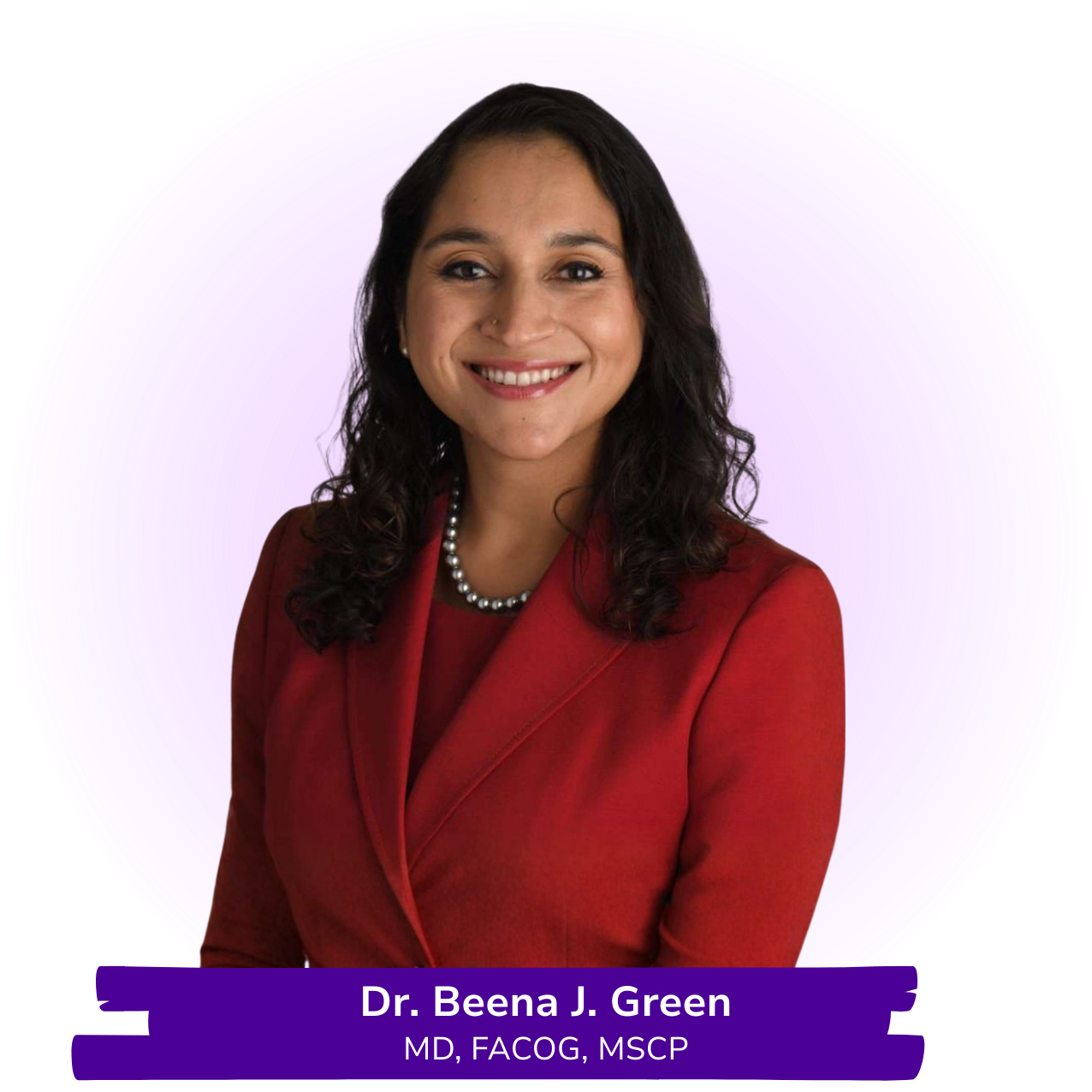
Menopause is a unique transition, and your clinical care should reflect that. At Queen Bee Gynecology, our approach to menopause management is rooted in active listening and clinical precision. We prioritize understanding your specific symptoms to create an individualized treatment plan that aligns with your medical history, health goals, and lifestyle. Led by Dr. Beena J. Green, a board-certified OB/GYN and Menopause Society Certified Practitioner (MSCP), our practice provides comprehensive, science-backed care for perimenopause and menopause. By adhering to the latest evidence-based guidelines within a dedicated gynecology-only setting, we ensure your visits are thorough, focused, and entirely free from labor and delivery interruptions.
Our Process
Your Journey to Specialized Care
Your visit begins with a discussion of your symptoms, history, and treatment options.
Discovery & Education
Your Questions, Answered. Finding the right care starts with the right information. We provide clear answers regarding our gynecology-focused model and Dr. Green’s specialized menopause certification so you feel confident before you even walk through our doors.
Comprehensive Evaluation
A Deeper Look at Your Health. Your journey continues with a thorough clinical assessment. We take the time to map your symptoms—from hormonal shifts to bone health—ensuring every concern is addressed with medical precision.
Individualized Care Strategy
Tailored to Your Physiology. Dr. Green collaborates with you to develop an evidence-based treatment plan. Whether utilizing FDA-approved hormone therapy or non-hormonal alternatives, your path forward is customized to your unique health profile.
Continuous Support & Optimization
Care That Evolves. Menopause is a transition, not a single event. We provide ongoing monitoring and adjustments to your care plan, ensuring you remain supported, balanced, and empowered through every stage of the change.
Why Choose Queen Bee Gynecology
Where Your Concerns Are Taken Seriously
Board-Certified Expertise
Care led by a board-certified OB/GYN with advanced training across all areas of gynecologic health.
Gynecology-Only Focus
A dedicated gynecology practice, without labor and delivery interruptions, so your care stays consistent and unrushed.
Time to Truly Listen
Bring your questions to your appointment. Dr. Green will discuss your concerns and next steps.
Personalized, Evidence-Based Care
Treatment plans thoughtfully tailored to your health history, symptoms, and goals using current medical guidelines.
Inclusive, Respectful Environment
A welcoming, LGBTQ+ inclusive practice committed to compassionate care for patients of all identities and backgrounds.

Start Your Care With Confidence

FAQs
Your Questions, Answered
What is a Menopause Society Certified Practitioner (MSCP)?
An MSCP is a healthcare professional who has demonstrated advanced clinical expertise in menopause management through rigorous examination and ongoing credentialing by The Menopause Society (formerly NAMS). An MSCP has passed an examination on menopause care. Ask Dr. Green how her training applies to your symptoms and treatment choices.
Does Dr. Green offer bioidentical or non-hormonal treatment options?
FDA-approved hormone therapy may be one option. Dr. Green can discuss its benefits and risks for your situation. If you prefer to avoid hormone therapy or it is not appropriate for you, ask about nonhormonal options for your symptoms.
When should I schedule a consultation for perimenopause?
You don't need to wait until your periods have stopped for a full year to seek care. If you are in your 40s (or even late 30s) and noticing changes in your cycle, increased anxiety, "brain fog," or disrupted sleep, you can ask for a consultation about your symptoms. A consultation can help you discuss symptoms and any bone or heart health concerns. Treatment depends on your history and risks.
How do I know if my symptoms are related to menopause?
The "change" presents differently for everyone. Common indicators include night sweats, thinning hair, joint pain, decreased libido, and sudden mood shifts. During your consultation, we use comprehensive symptom mapping to determine if these changes are hormonal or related to other health factors, and decide whether further evaluation is needed.